
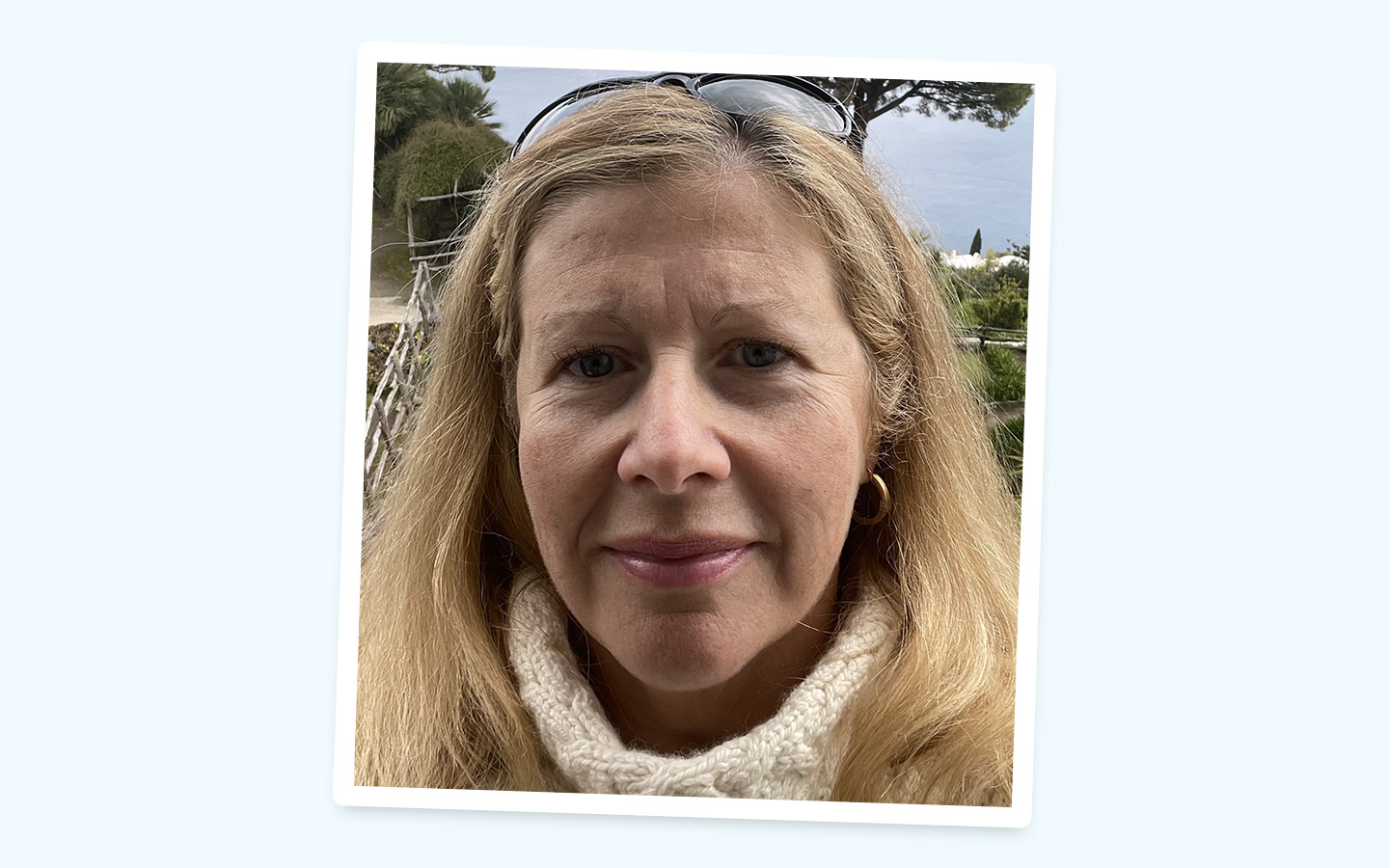

In this interview, we speak with Allison Heaney, President and Owner of Skaggs-Walsh—the top-rated family-owned home comfort provider in the New York area with over 90 years of expertise—about operations, technology & what field service tools like Zuper bring to the table.
Q: Allison, thank you for joining us. To start, tell us a bit about Skaggs-Walsh and your role as President.
Allison Heaney: Thank you, it’s great to be here. Skaggs-Walsh is a family-owned service company with a history of over 90 years. We provide comprehensive home comfort services, from heating oil delivery and HVAC maintenance to plumbing and electrical support, across the New York metro area. I’ve been proud to take up leadership as President, continuing the legacy of quality and trust built by my father and grandfather. A core part of what we do is ensuring people’s homes are safe, comfortable, and efficient.Q: In an industry like home services, what does delivering “service excellence” really mean?
Allison Heaney: It’s about reliability, transparency, and responsiveness. When a customer calls about a heating issue in the middle of winter or a plumbing emergency, they want a solution, and they want it fast. Over the decades, we’ve learned that operational discipline and clear communication drive satisfaction. It’s not just fixing equipment; it’s how we show up, from accurate estimates to timely follow-ups. And often that begins with having the right tools behind the scenes, whether it’s scheduling technicians or managing inventory.Q: Let’s talk about technology. Field service today relies on software platforms like Zuper, which automates work order management, scheduling, dispatching, invoicing, and more. How do you see systems like that fitting into service operations?
Allison Heaney: Technology like Zuper’s field service management platform represents a fundamental shift in how service businesses operate. Instead of managing jobs with fragmented tools, such as spreadsheets, separate calendars, and manual dispatching, a unified platform brings everything into one place. It simplifies scheduling, keeps track of work orders and customer history, and manages real-time updates between the office and field teams.For companies like ours, this means fewer administrative bottlenecks and more focus on delivering the actual service. Ideally, it reduces errors, saves time, and frees our technicians to spend more quality time with customers. Streamlining workflows, even simple things like automated notifications or mobile access to job details, can improve both efficiency and satisfaction.
Q: Zuper also emphasizes the use of AI and mobile-first tools to help field teams stay organized and customer-centric. Do you think this kind of capability matters in traditional service businesses?
Allison Heaney: Absolutely. Even businesses that have been around for decades, like ours, can benefit from modern tools that reduce manual tasks. When field teams have access to mobile apps, route information, job notes, and customer data right at their fingertips, they make better decisions faster. And AI-enabled features like intelligent scheduling, dynamic dispatching, or automated job summaries can reduce guesswork and workload.We still rely on skilled professionals and human judgment, but giving our teams technological support lets them focus on what they do best: providing quality service.